Thinking back on my previous weekend trips to Rome, I could have been more efficient with my route to experience more of city. There is so much to see and do that you really have to map it out if you only have a weekend. I decided to put together my ideal daily guide if I (or future travelers) decide to go back for a few days. Before diving in, here are some general things I remember from my past trips.
- Eating well: You really have to wander the side streets of the side streets of the side streets of the side streets to find some authentic food. Rome is super touristy so it’s easy to fall into a touristy trap. The other option is to ask the locals and hopefully they can tell you some local spots.
- Getting around: I personally loved walking to experience and see the sights. Rome is huge though so the metro is another option to save time. The Roma pass (28-36€) is great if you decide to travel via public transportation and are planning to visit the museums. More information available here.
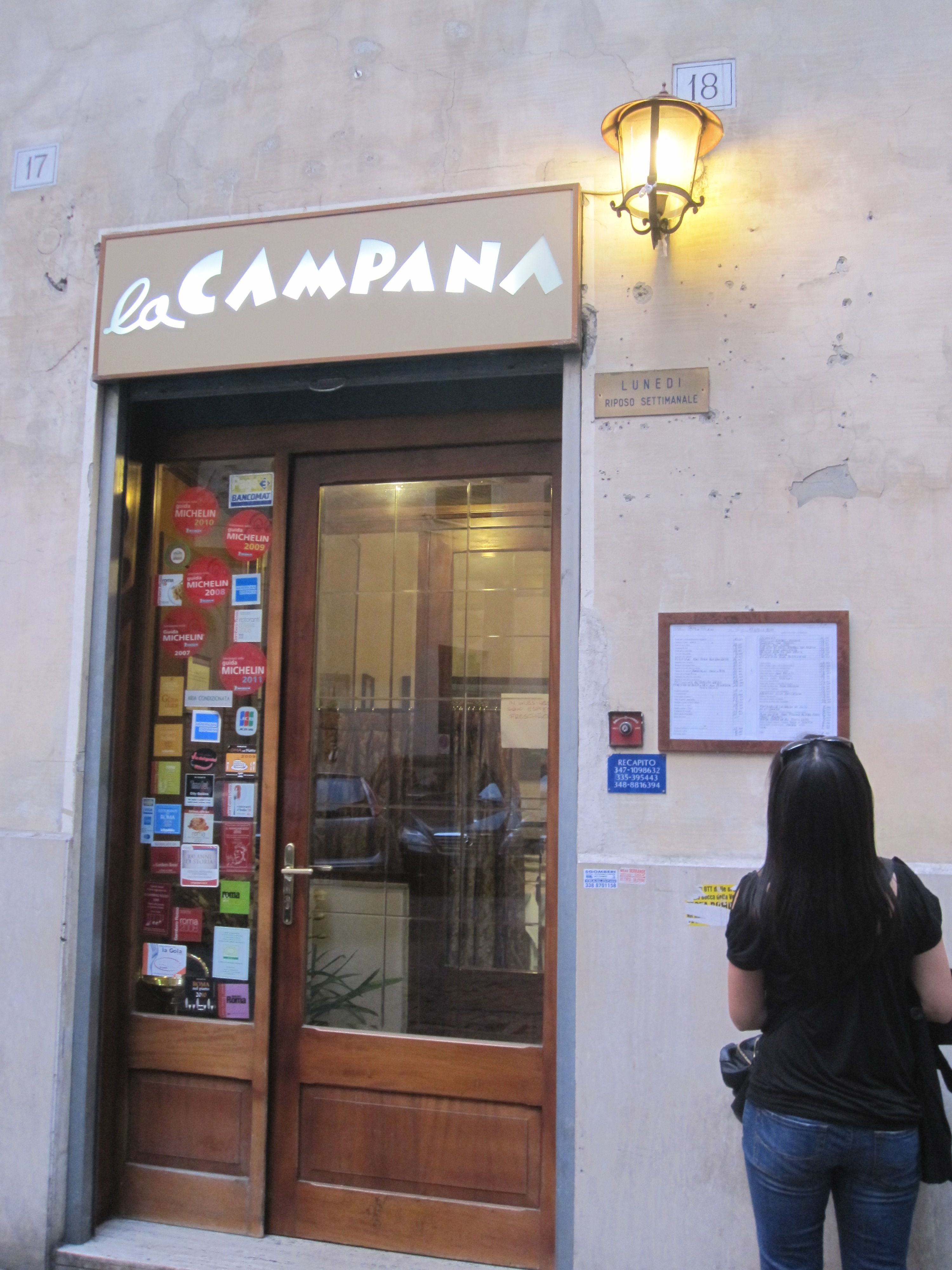
- Booking things ahead of time: I would book these things ahead of time: 1) Colosseo (Colosseum) tickets and tour (I wish I did a tour to learn more), 2) Vatican tickets and tour (there are several companies that provide a tour and allow you to skip the line), and 3) Dinner reservations to La Campana (one of my favorite restaurants)
To my future self or to any other traveler spending a weekend in Rome, here is my sample itinerary.
DAY 1
Breakfast: Grab a pastry at a bakery and head to Casa del caffe near the Pantheon. It is touristy, but locals still come here to get some good, affordable coffee. Tip: How to order? Order and pay at the cashier, take the receipt and go to the bar, place the receipt on top of the counter with a coin on top (they won’t take the coin), confirm the order with the staff, and enjoy a delicious coffee at the bar (most people are standing).
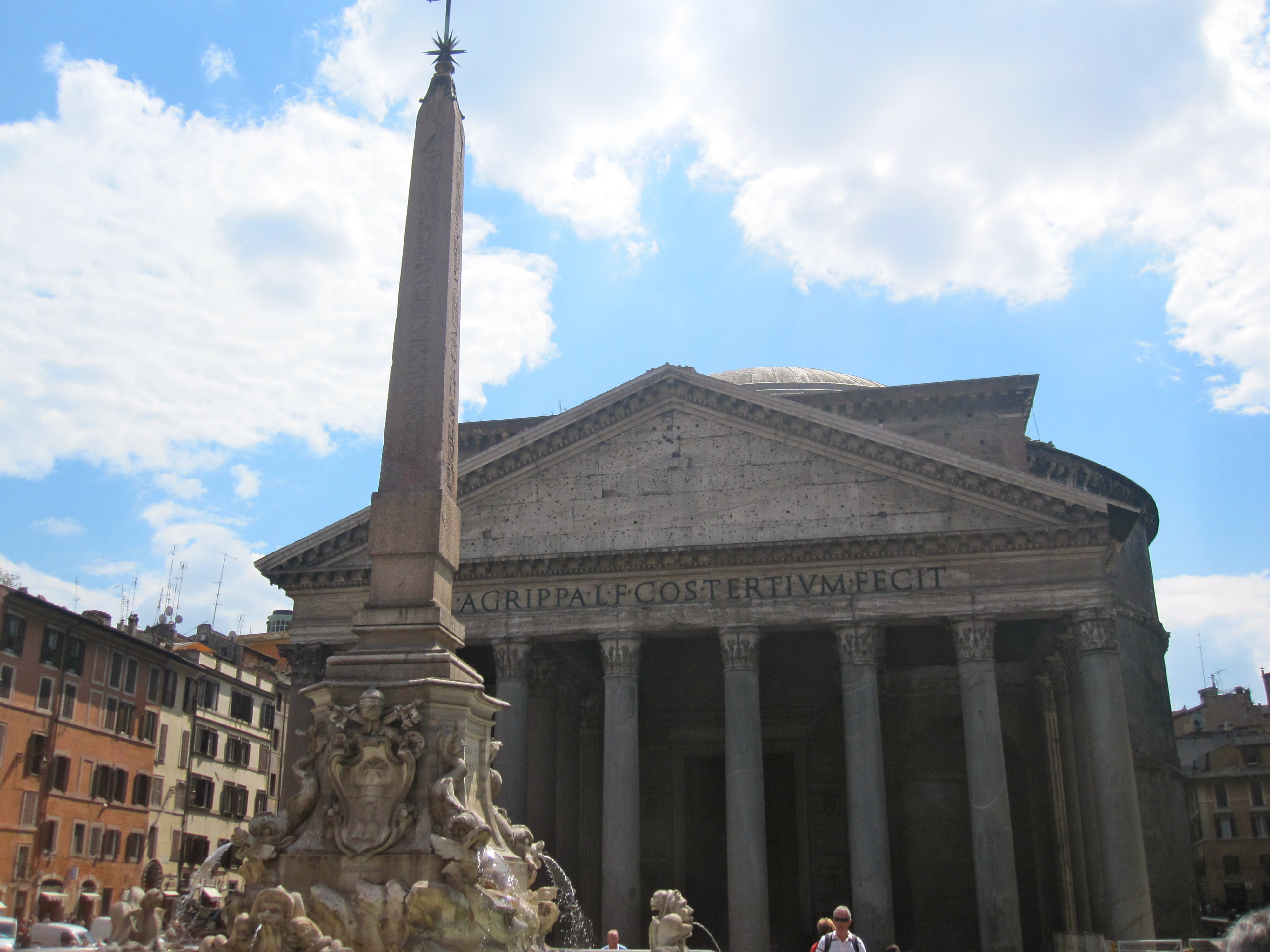
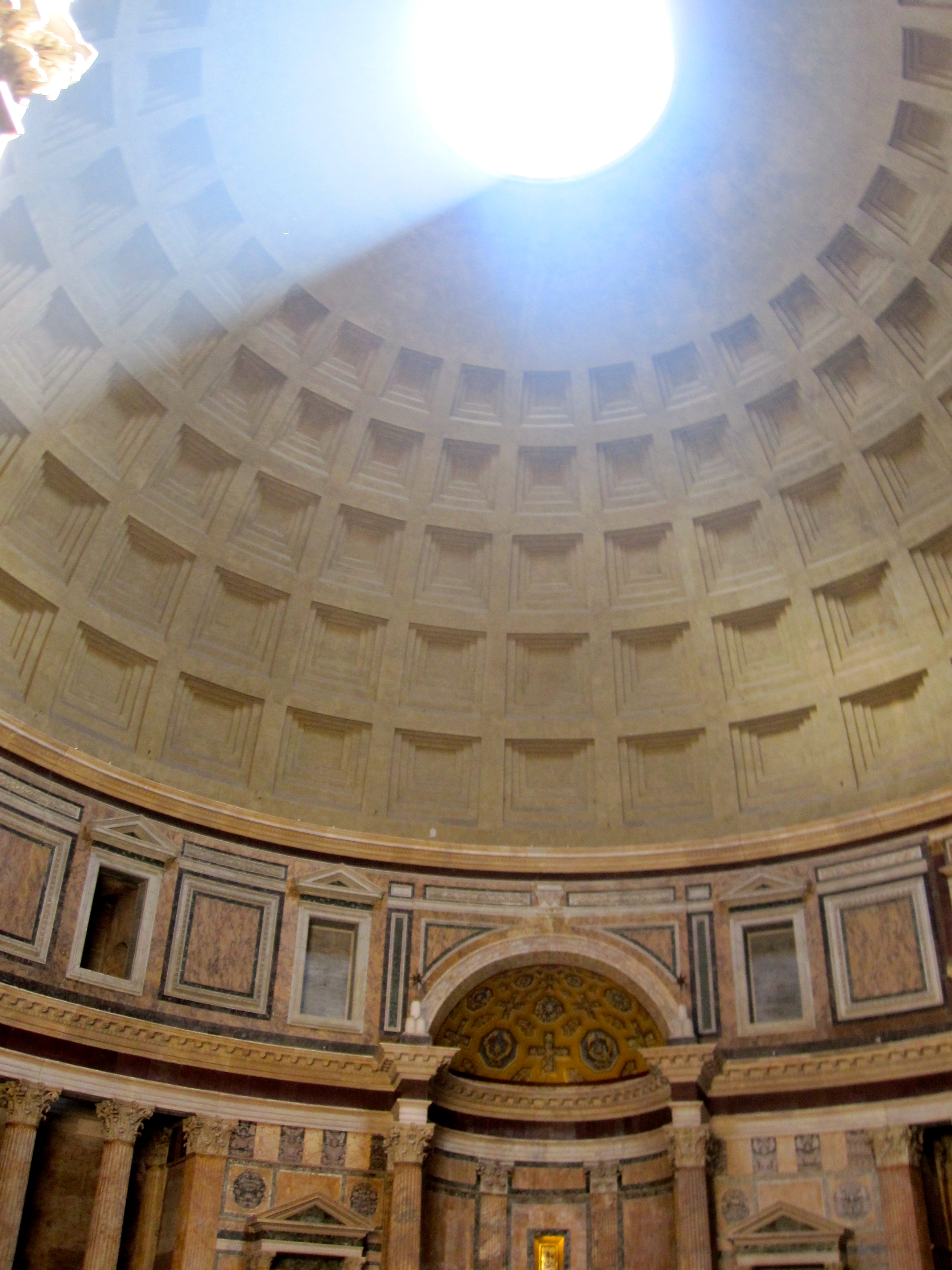
Head around the corner to the Pantheon. This iconic building was originally a pagan temple. My favorite feature is the open ceiling, which lets in light to beautifully showcase the interior. Tip: On my visit, I stumbled upon a choir practice and the live music and acoustics inside the Pantheon made the experience so memorable. I highly recommend going when there is a practice or a concert.
After spending some time at the Pantheon, you can walk towards Piazza Navona and stop at Palazzo Madama, a palace and home to the Senate of the Italian Republic (according to Wikipedia). You can then go to one of my favorite spots, Piazza Navona. This was the site of an ancient Roman chariot-racing stadium and home to Gian Lorenzo Bernini’s beautiful fountains.
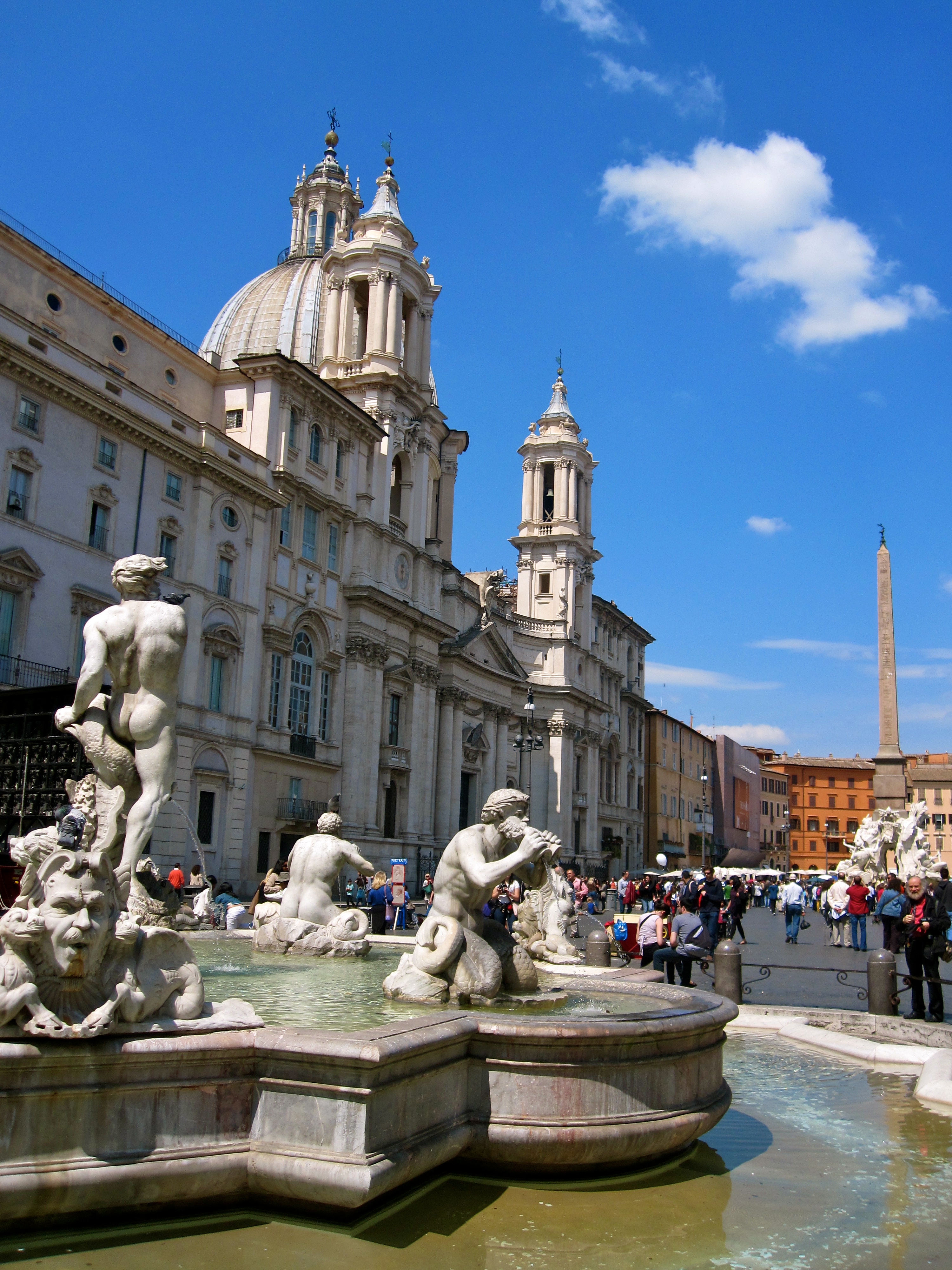
Lunch: There are many restaurants in Piazza Navona, but they screamed tourist traps. I recommend going to the supermarket (or better yet, a butcher and cheese shop) and getting some local cheese, bread, and prosciutto and eating at the Piazza Navona. Post this, try the tartufo-choco truffle ice cream at Bar Tre Scalini (link here) in the Piazza Navona.
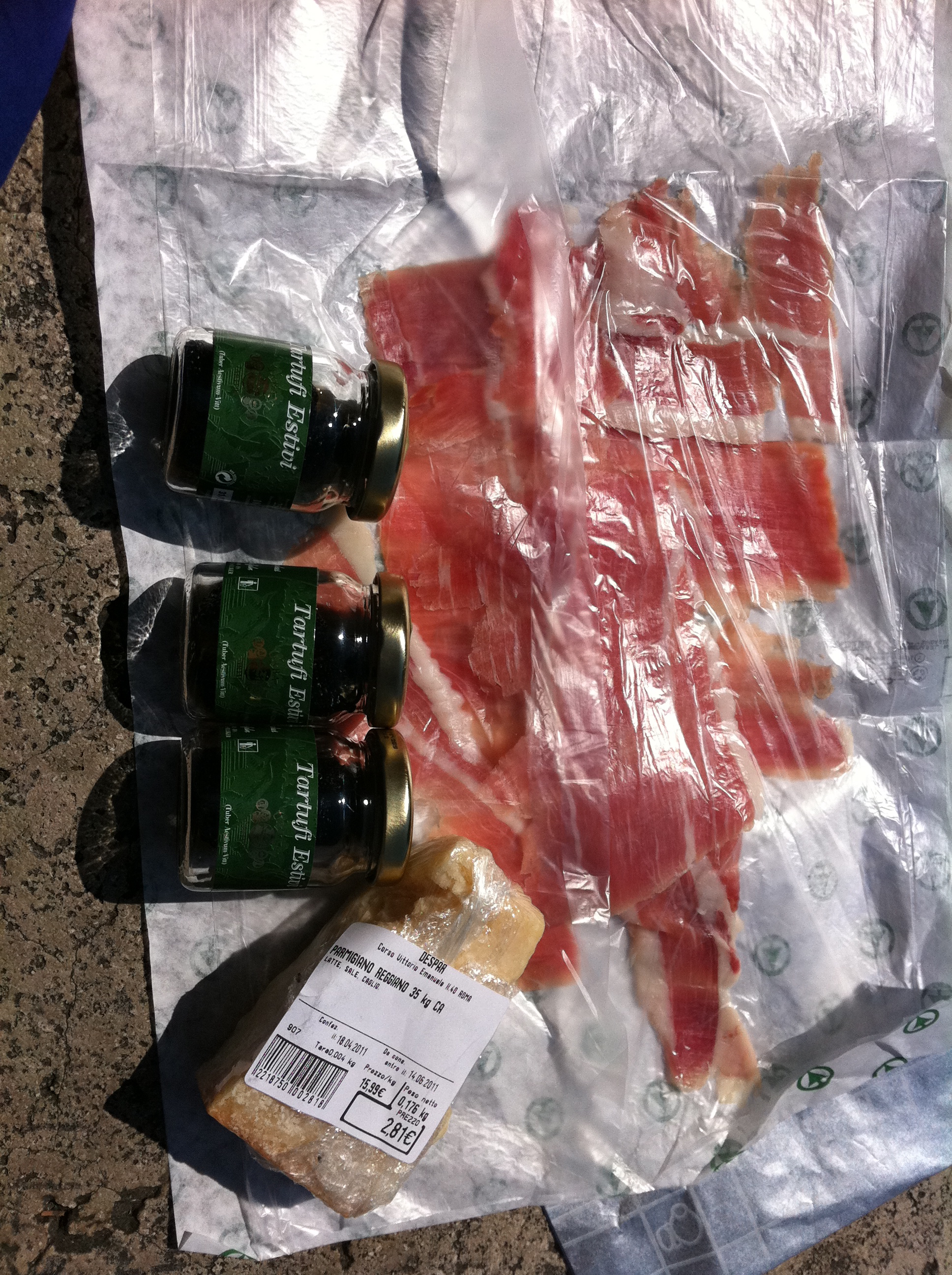
After lunch, you can head south to Campo de Fiori, a rectangular square and an open air market, and then to the nearby Palazzo Farnese and Palazzo Spada. I personally love cities with rivers because you get some amazing views. Head towards Lungotevere dei Tebaldi (street) to admire the views across and the bridges.
It is probably the late afternoon by now. You can explore Area Sacra, a square where there are many old Roman temples, and then walk either down Via Arenula or the side streets towards Lungotevere de Cenci. Walk along the river to the Great Sinagoga, the largest synagogue in Rome, and look across to get a glimpse of the Tiberina Isola, one of the two islands located in the Tiber river.
For some good dinner spots, I would cross one of the bridges (either Ponte Garibaldi or Ponte Palatino) and head into Trastevere neighborhood. According to one of the local guides I met, there are some great restaurants. He recommended Ristorante da Meo Patacca (link here). You can grab a nightcap in that area or visit any of the monuments again since I think they have a different vibe when seen at night.
DAY 2
Get a quick bite at a local bakery and head to the Colosseum. I recommend booking tickets and a tour in advance to avoid waiting in the long lines (more information available here). I also suggest going early or right when they open to avoid the crowds. I’ve found my early morning visits were more enjoyable compared to the afternoon and being shoulder-to-shoulder with other people. The ticket includes access to the 1) Colosseum, the ancient entertainment venue home to gladiators and also survived the Great Fire, 2) Roman Forum, area with ruins of ancient government buildings and Arch of Titus, and 3) Palatine Hill, one of my favorite spots because of the views of the city. I would also check out Arch of Constantine just outside the Colosseum (unfortunately during Summer 2014, it was under construction).
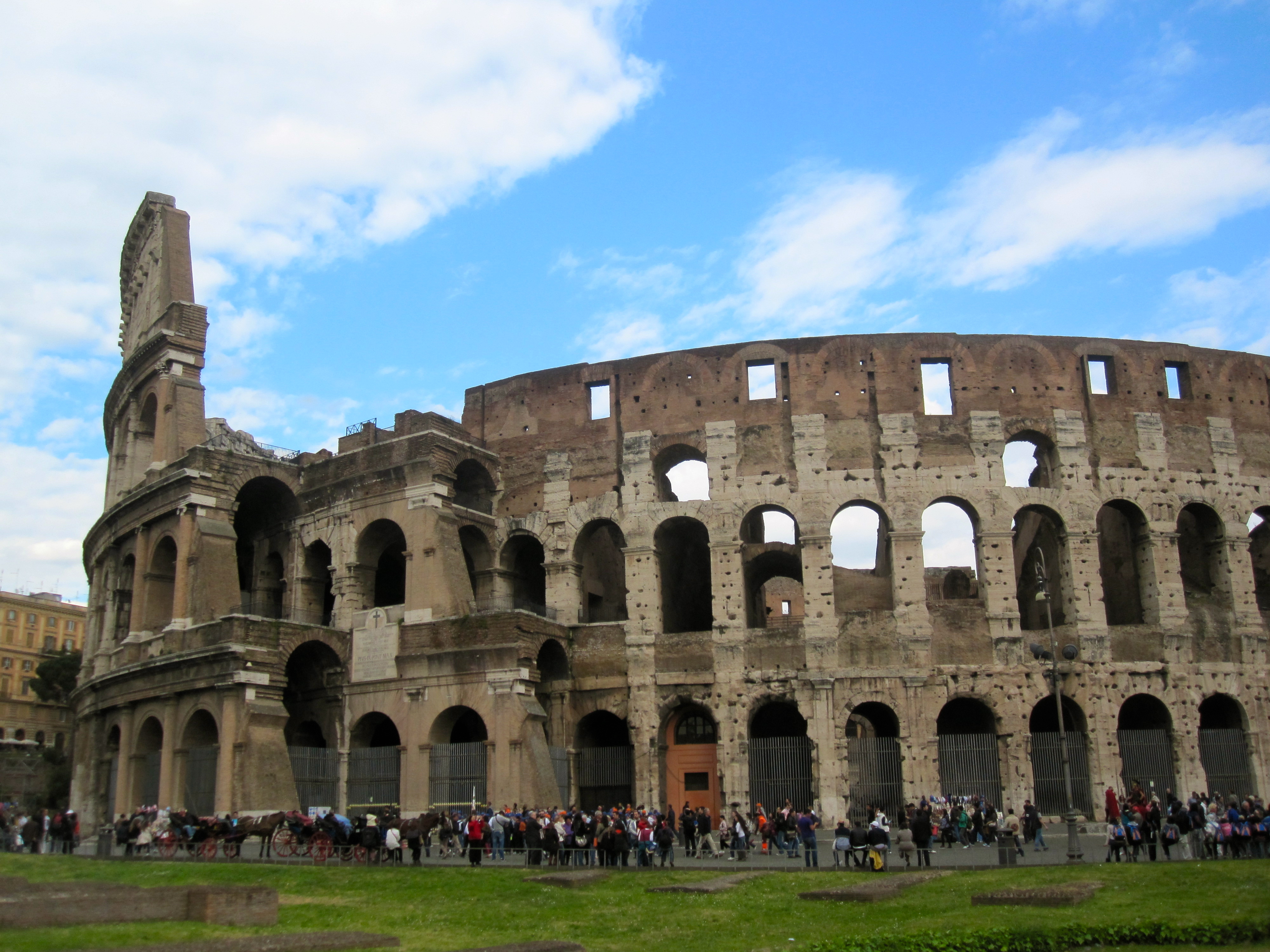
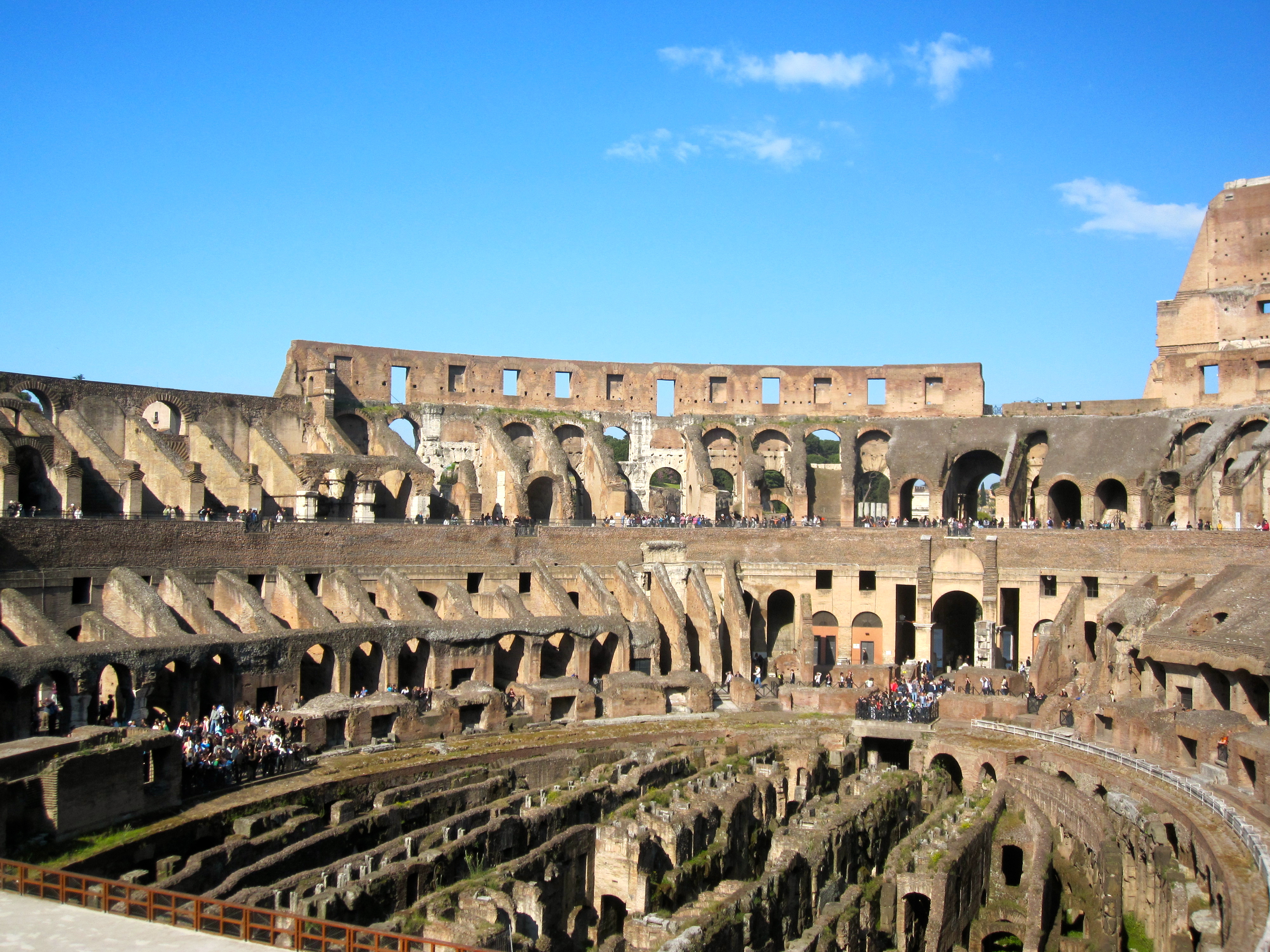
There are several basilicas nearby the Colosseum including Santi Giovanni e Paolo, ancient basilica, S. Maria in Cosmedin, smaller basilica, and S. Pietro in Vincoli, minor basilica home to Michelangelo’s Moses.
I was starving after exploring all these sights. I haven’t tried this place, but someone recommended Taverna dei Quaranta (link here) for affordable pizzas and pastas. I recommend eating around the area, despite it being touristy, since you can explore Capitoline Hill after, which includes the following:
- Piazza Campidoglio, a beautiful square designed by Michelangelo
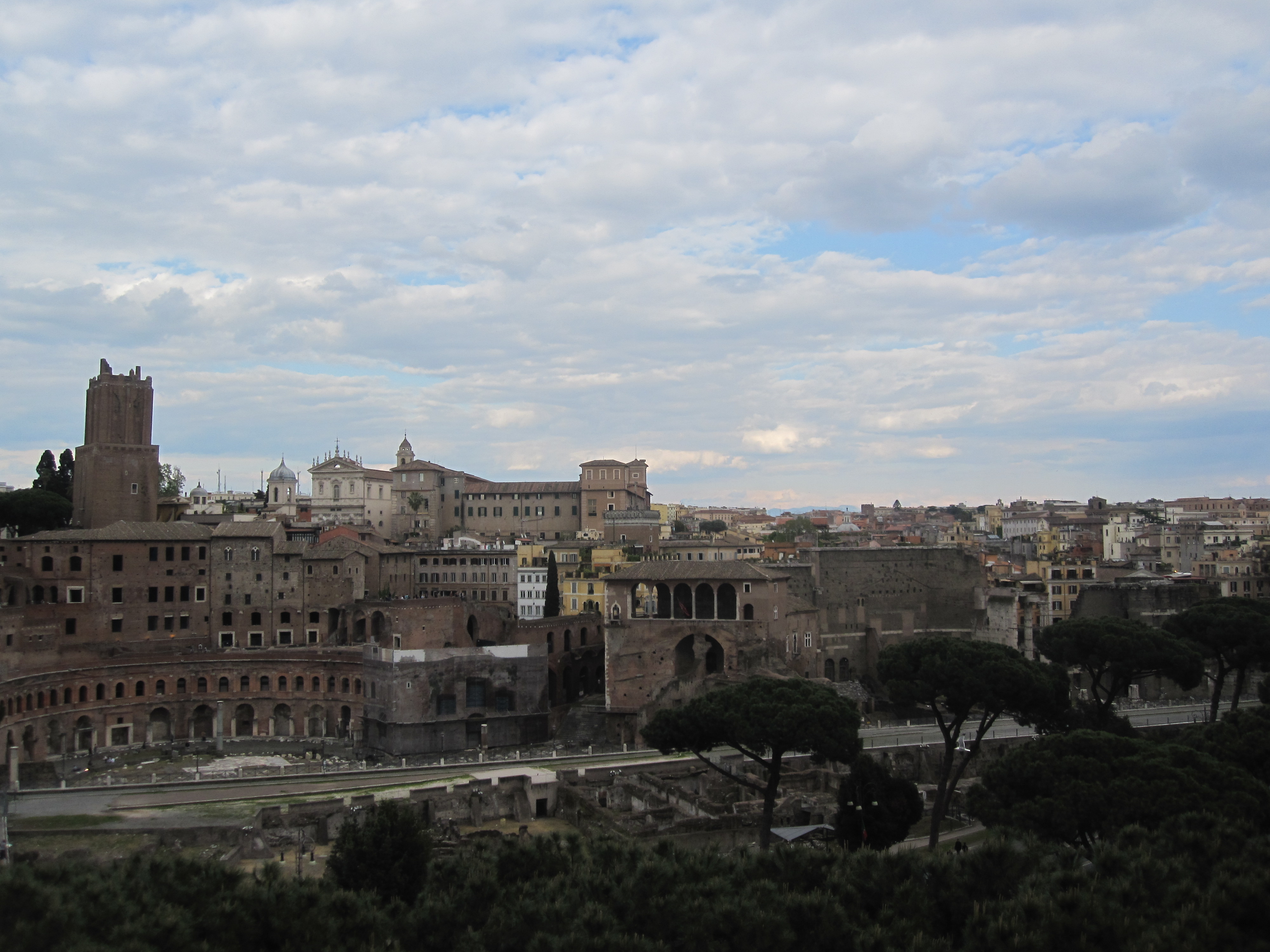
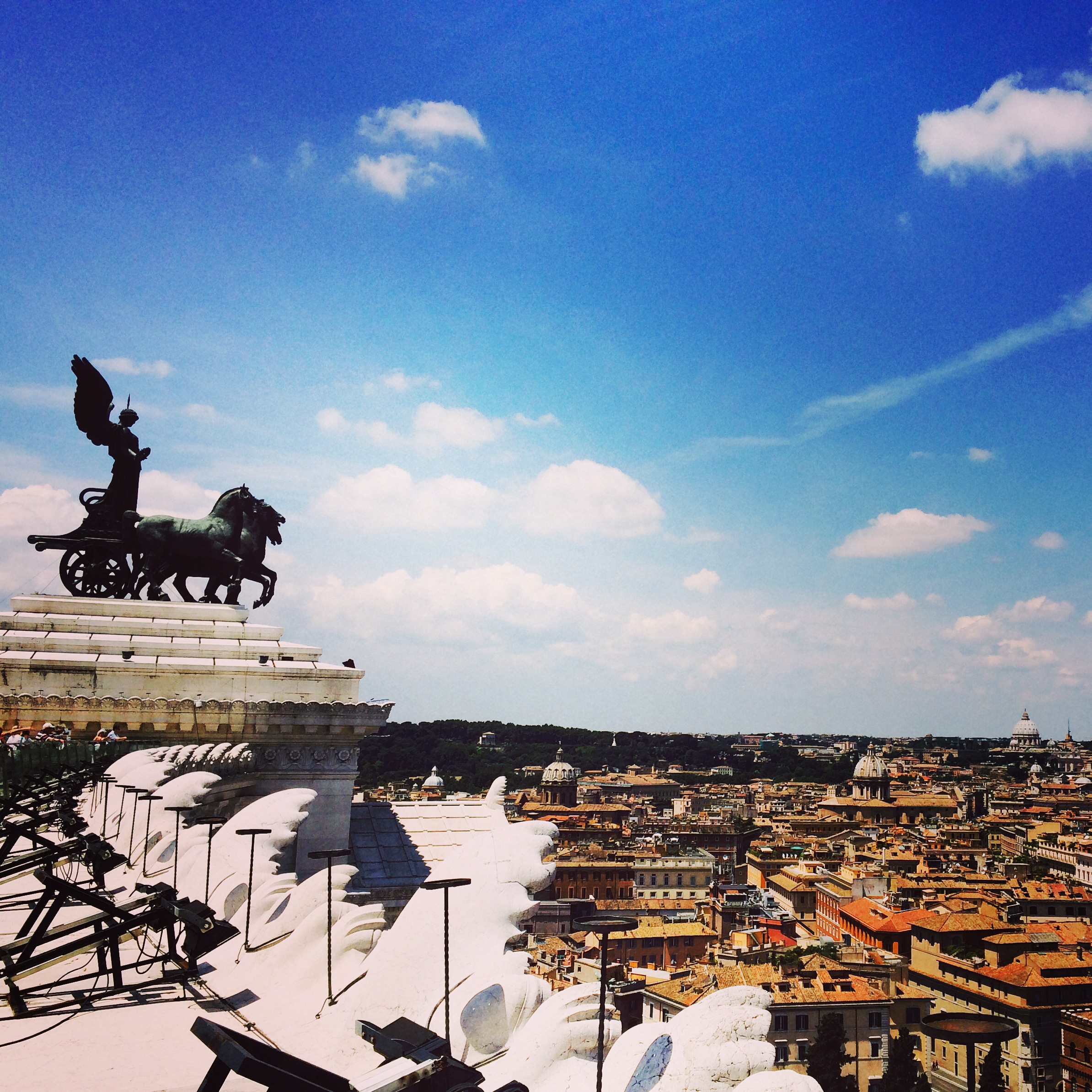
- Monumento Nazionale a Vittorio Emanuele II, an amazing huge marble monument where visitors can explore the exterior and interior. I thought it was worth paying to go to the terrace, there are some incredible panoramic views and there are signs that provide more information about the historic buildings in Rome. There is also a free option to admire the views on the lower level where the elevator entrance is located.
-
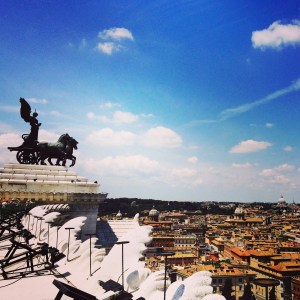
View from the terrace
After exploring this area, you can pop over to the neighboring Foro Traiano (Trajan’s Forum), which is the last the Imperial fora to be constructed, and Trajan’s Market, which looks like a huge amphitheater and is considered the oldest shopping mall.
I personally recommend taking a gelato break (can pretty much go anywhere) and then work it off by hiking up Quirinal Hill, the highest hill out of the seven hills in Rome. There is a great view of St. Peter’s dome and the city, and nearby is Quirinal Palace, the official residence of the President of the Italian Republic.
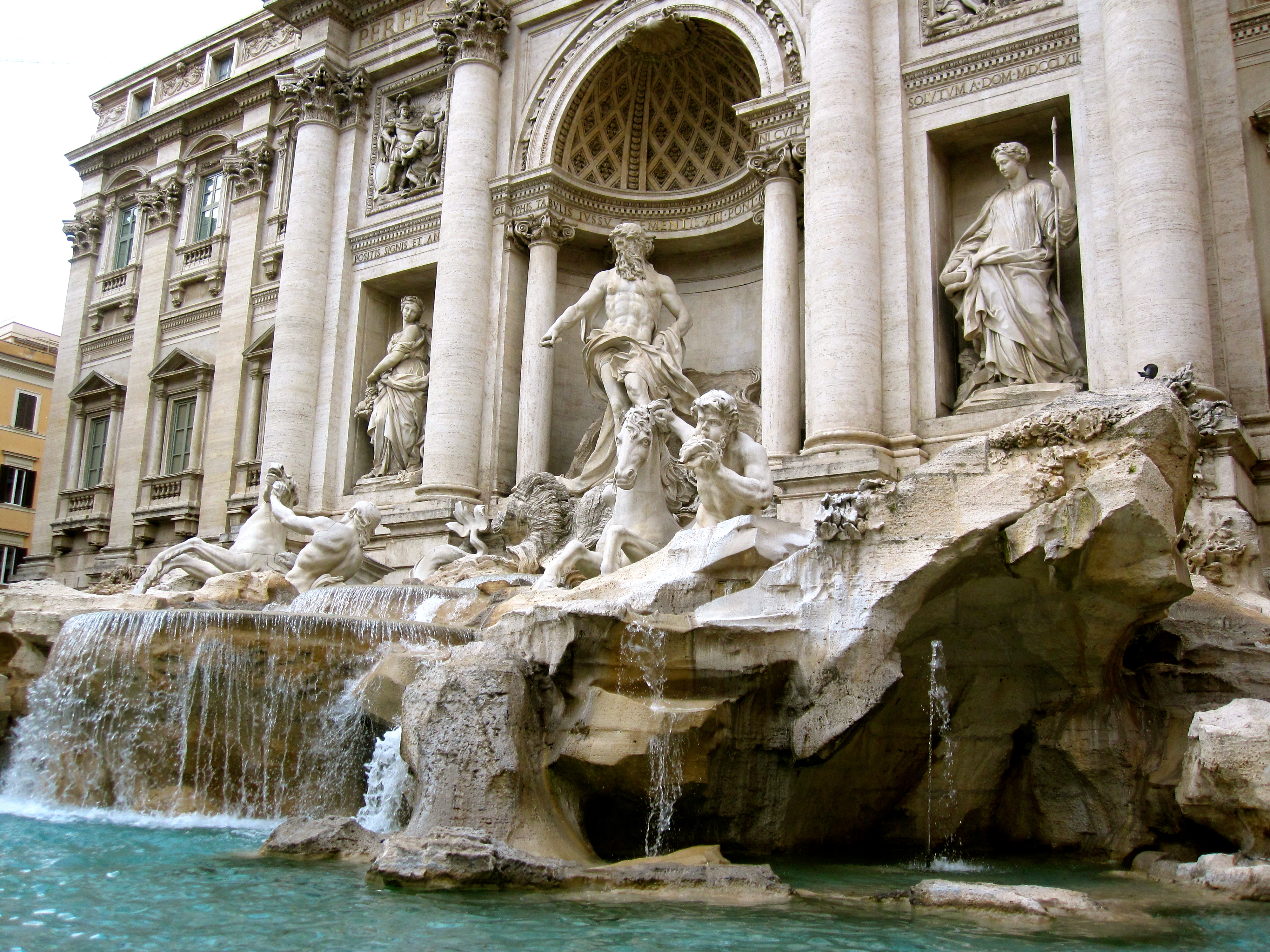
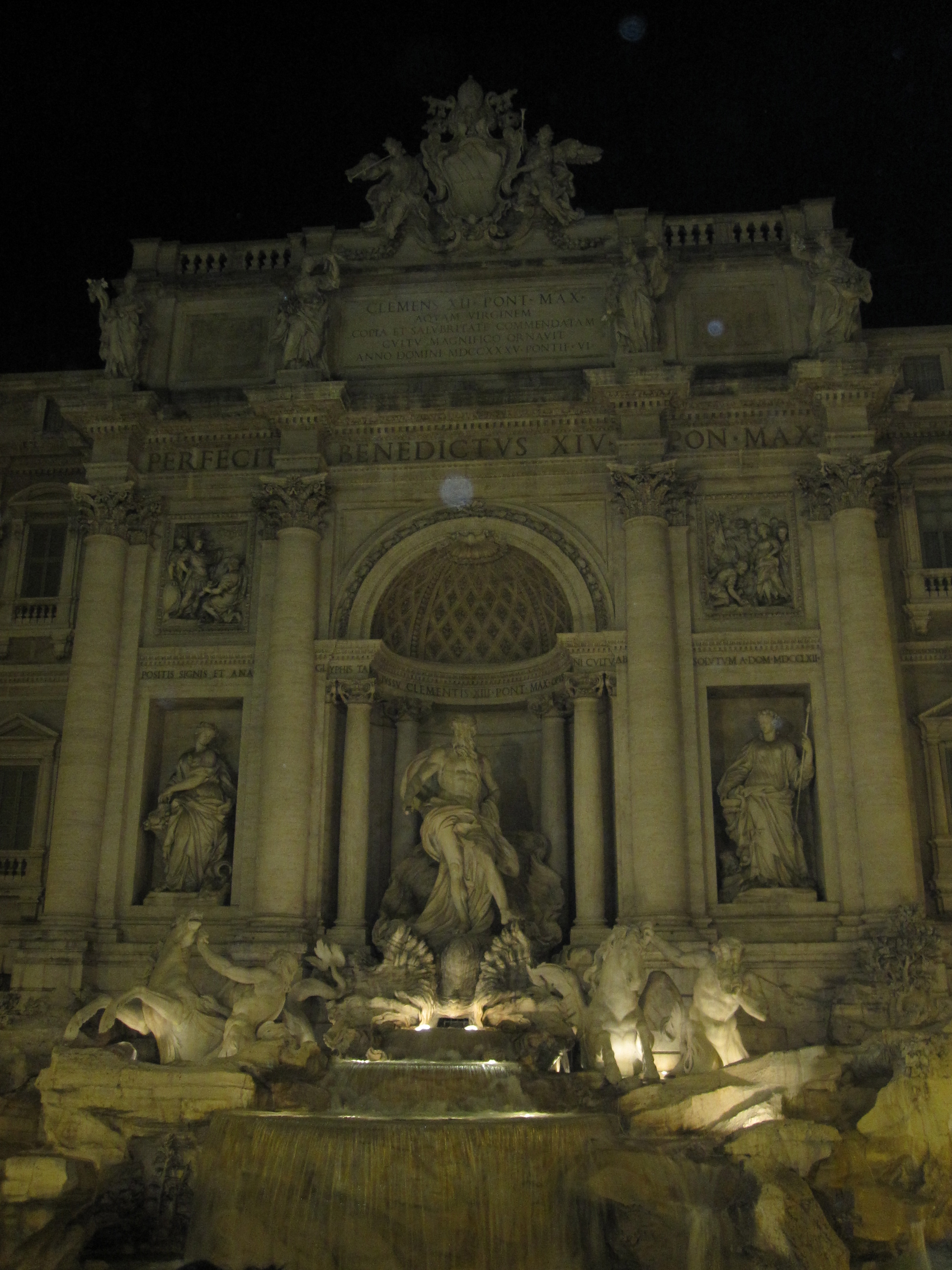
Before dinner, you can hike down towards Piazza di Trevi (Trevi fountain), my favorite attraction and the largest Baroque fountain in the city.
After a long day walking and exploring, you can grab some dinner at Ditirambo (link here, best to make a reservation beforehand).
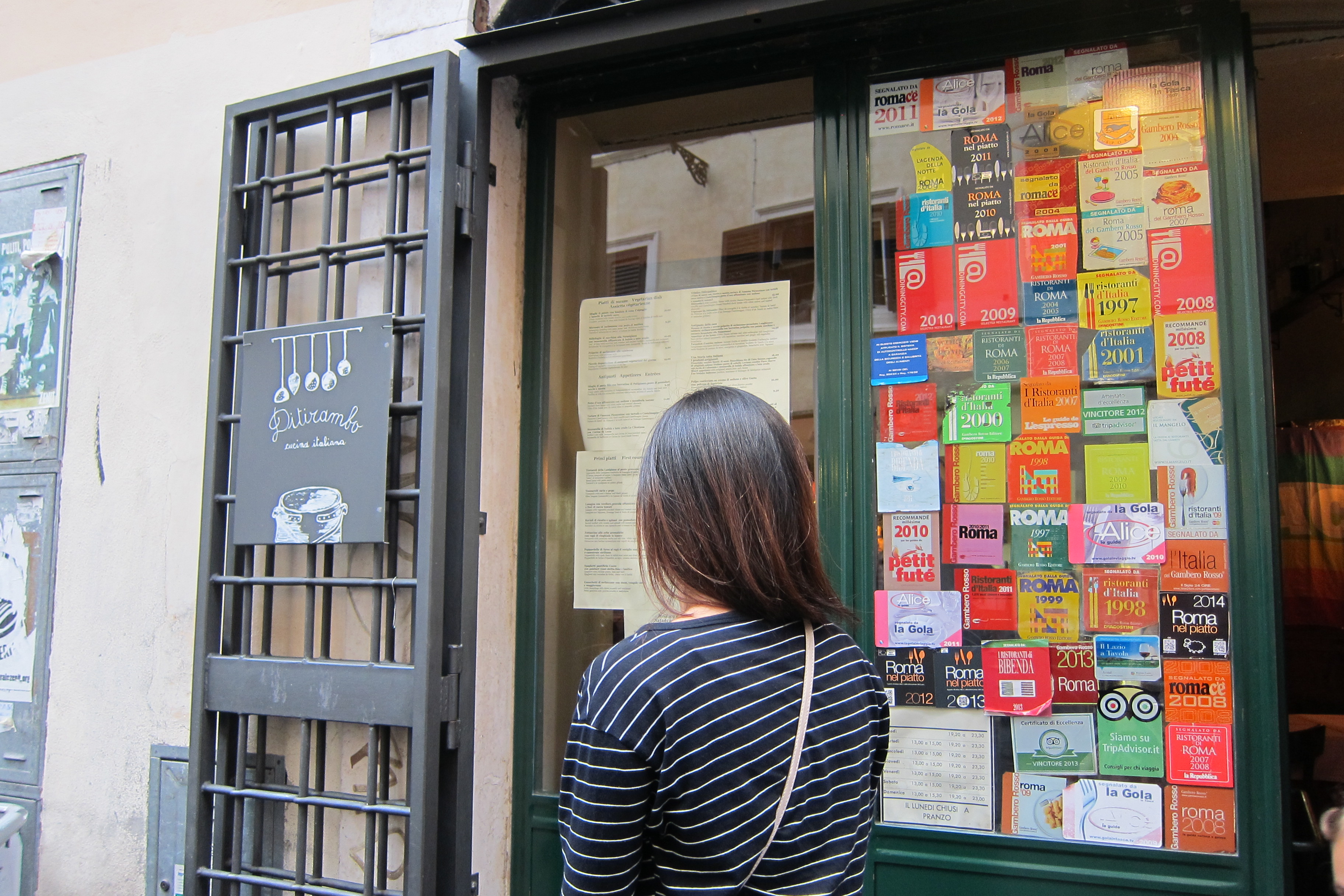
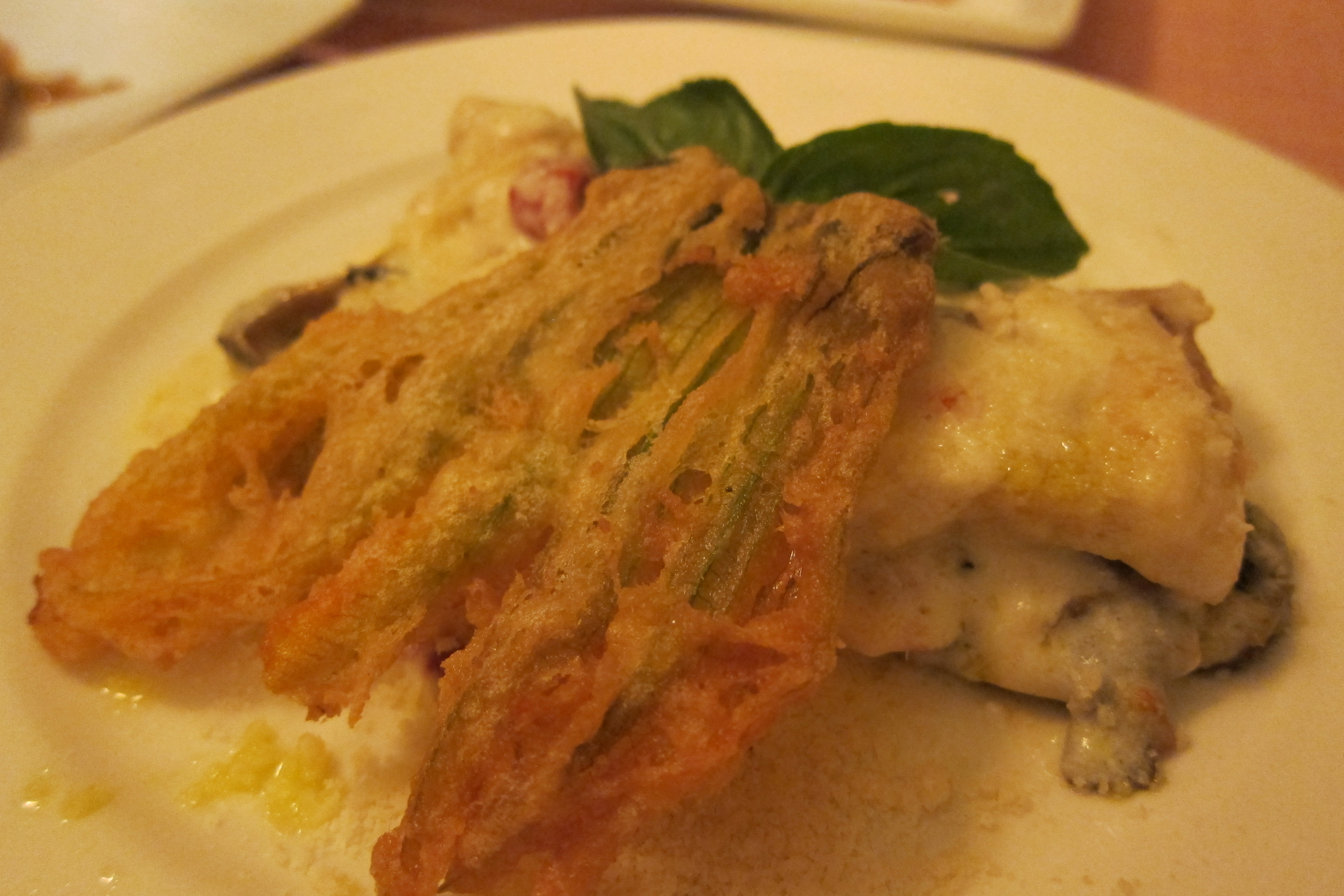
Since it is nearby, take a post-dinner stroll through Piazza Navona to see it at night.
DAY 3
I believe the Vatican and St. Peter’s basilica are a must-dos and these takes a large chunk of the day so start early. You would need to cover your shoulders or knees, but the Vatican also provide cover-ups onsite. Also, if you decide to bring a big bag or an umbrella, you may have to check it in. It looked like a pain to wait in line so I would advise leaving those things behind.
I have tried two tour groups and prefer When in Rome tour for the Vatican (we actually got to skip the queue and it was very informative). I learned some fun facts like Latin is the official language in the Vatican, the boat is the symbol of the church because St. Peter was a fisherman, and Michelangelo finished the Sistine chapel in 4 years despite not being a painter at first.
As for exploring the Vatican museum, it feels pretty rushed since there are so many groups. It will be hard to stop and appreciate all the amazing statues, mosaics, tapestries, paintings, and elaborate rooms. However, after the tour and before entering the Sistine chapel, you can backtrack and enjoy the art. You can then enter the Sistine chapel at your own time and enjoy. There are chairs where you can sit and admire the ceiling, but remember no photography and you must remain silent (the guards will constantly yell at anyone who speaks).
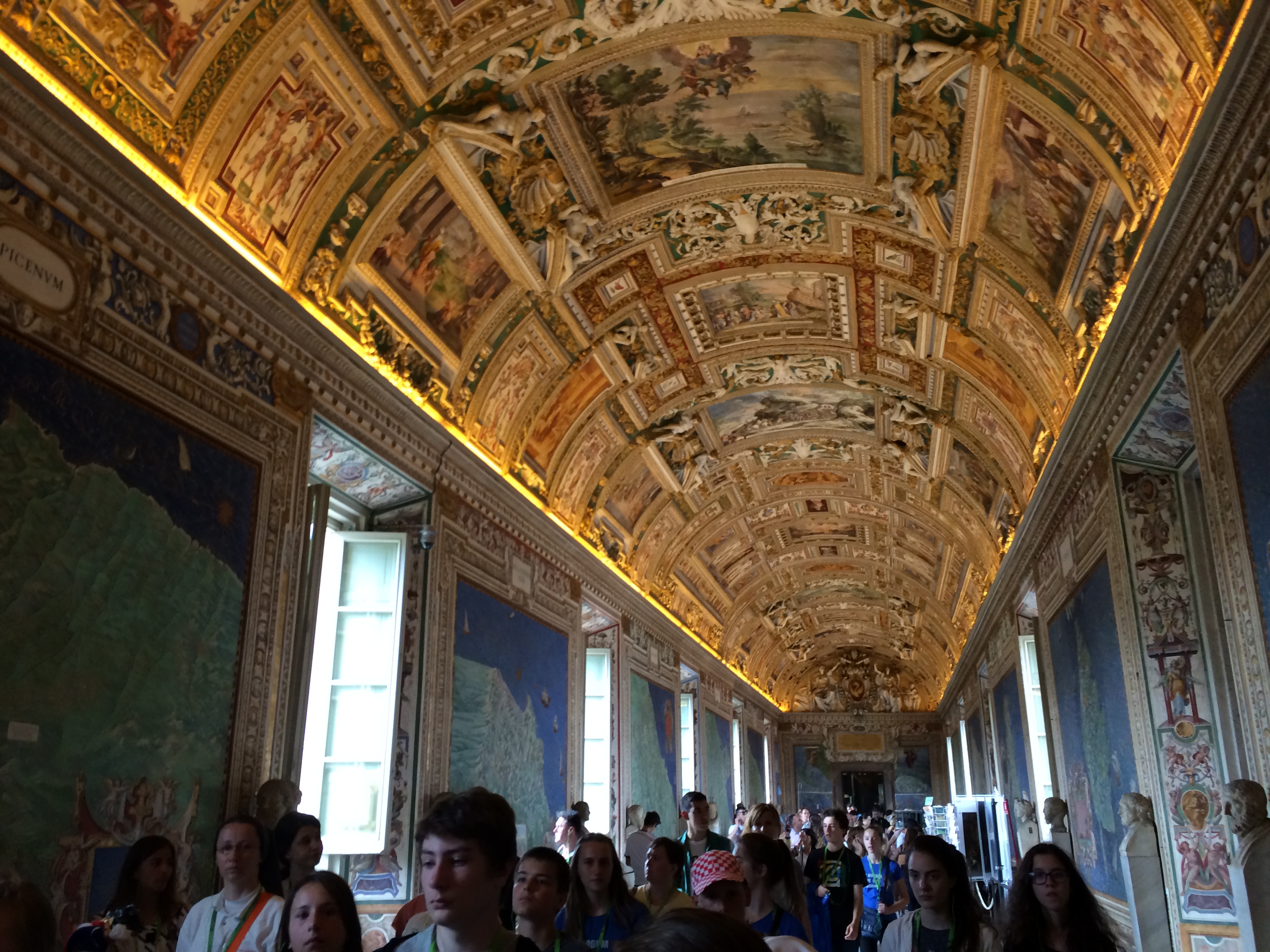
I would recommend packing some lunch and you can eat right outside the Sistine chapel. Unfortunately, I made the mistake of eating at one of the nearby restaurants and some cold pasta became my most expensive meal in Rome.
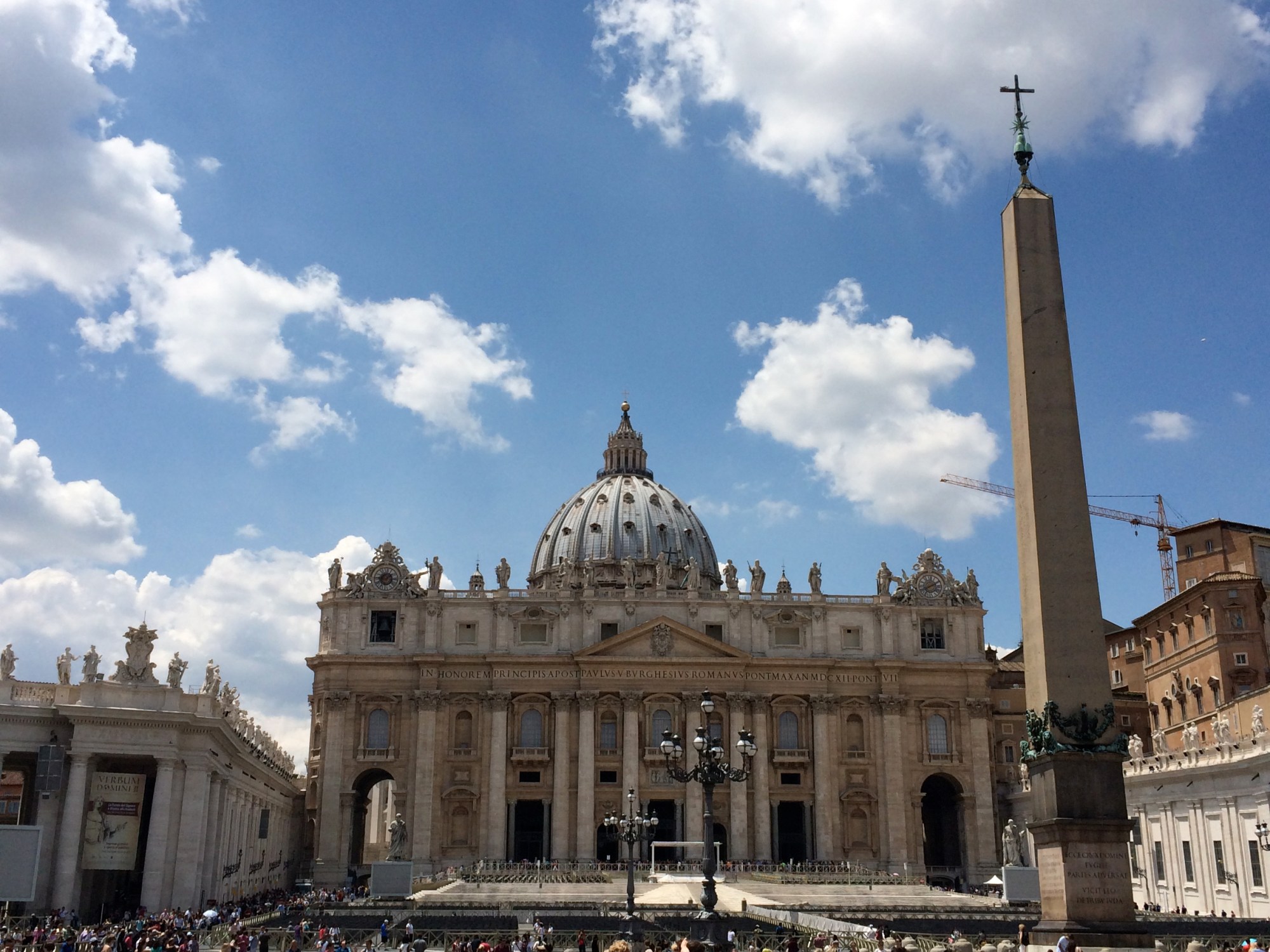
After lunch, you can head to St. Peter’s Basilica, which is my favorite church that I have been to. There is something about all the ornate sculptures, stunning gold designs, and the air. I know it is weird to say the air, but there is this aura (and I am not religious) once you are inside this impressive space. I didn’t do this but you can also climb the dome and check out the views from there.
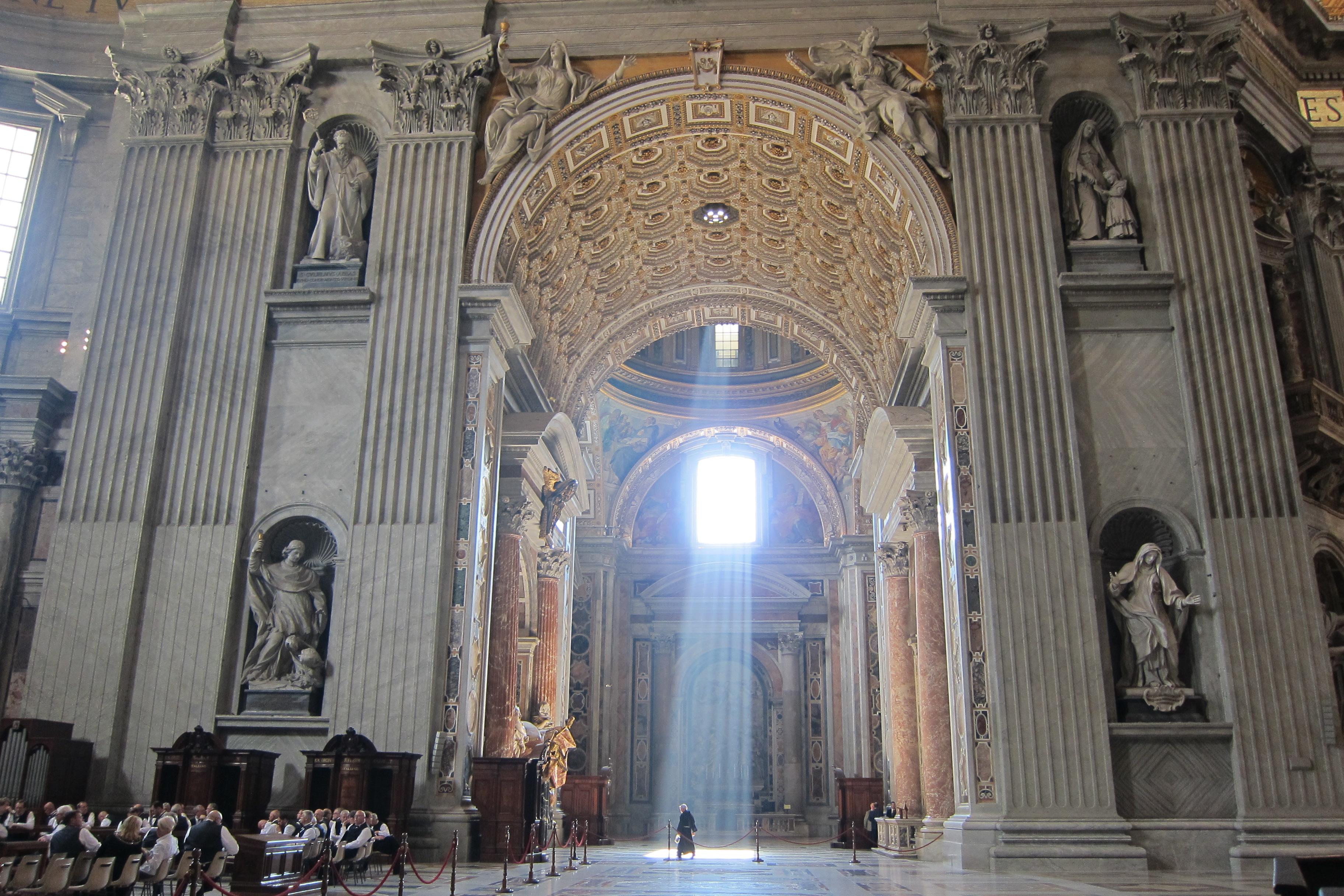
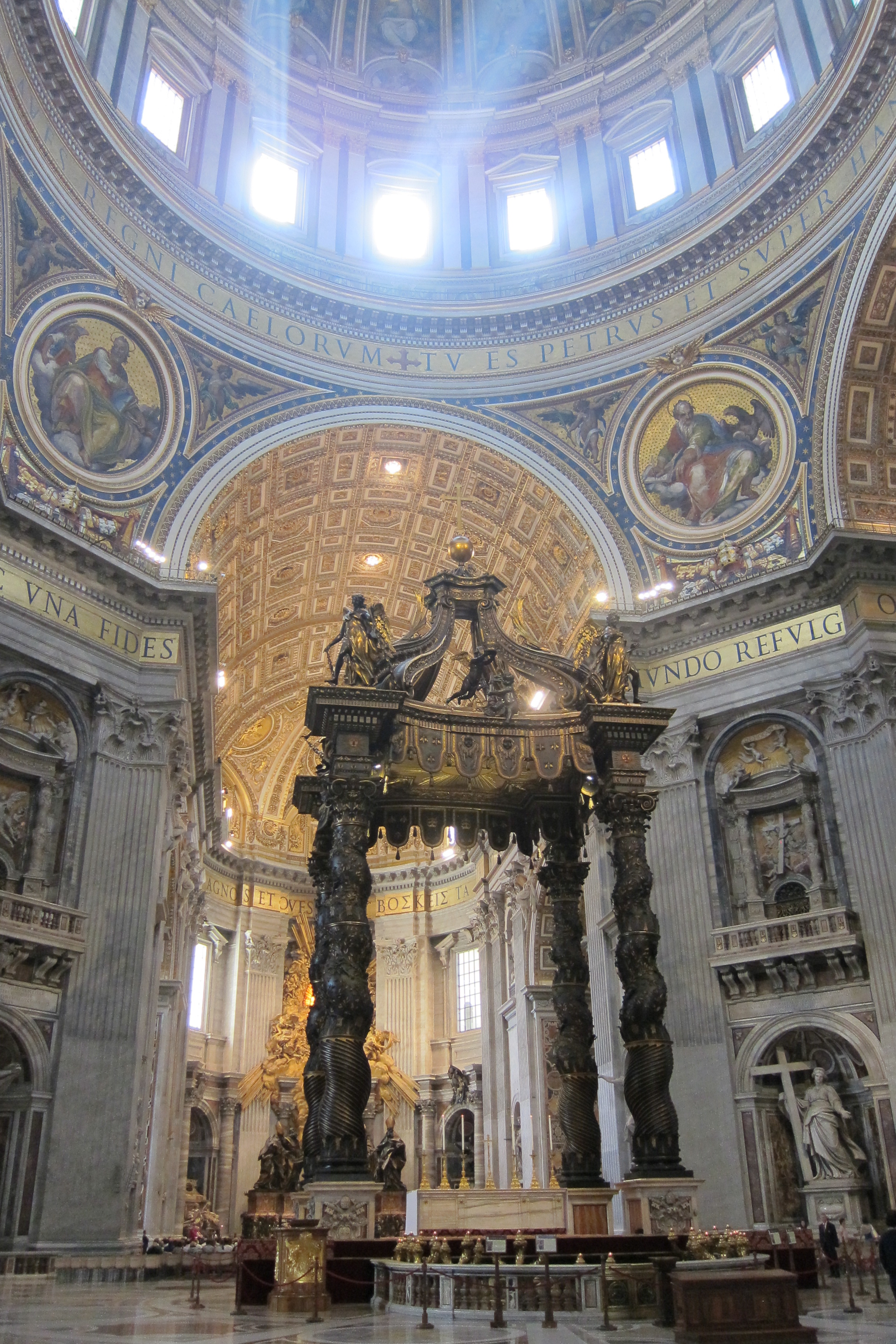
Before dinner, check out the Castel Sant’ Angelo, an impressive fortress and now museum. You can then walk across the Ponte Sant’ Angelo to the other side of Rome.
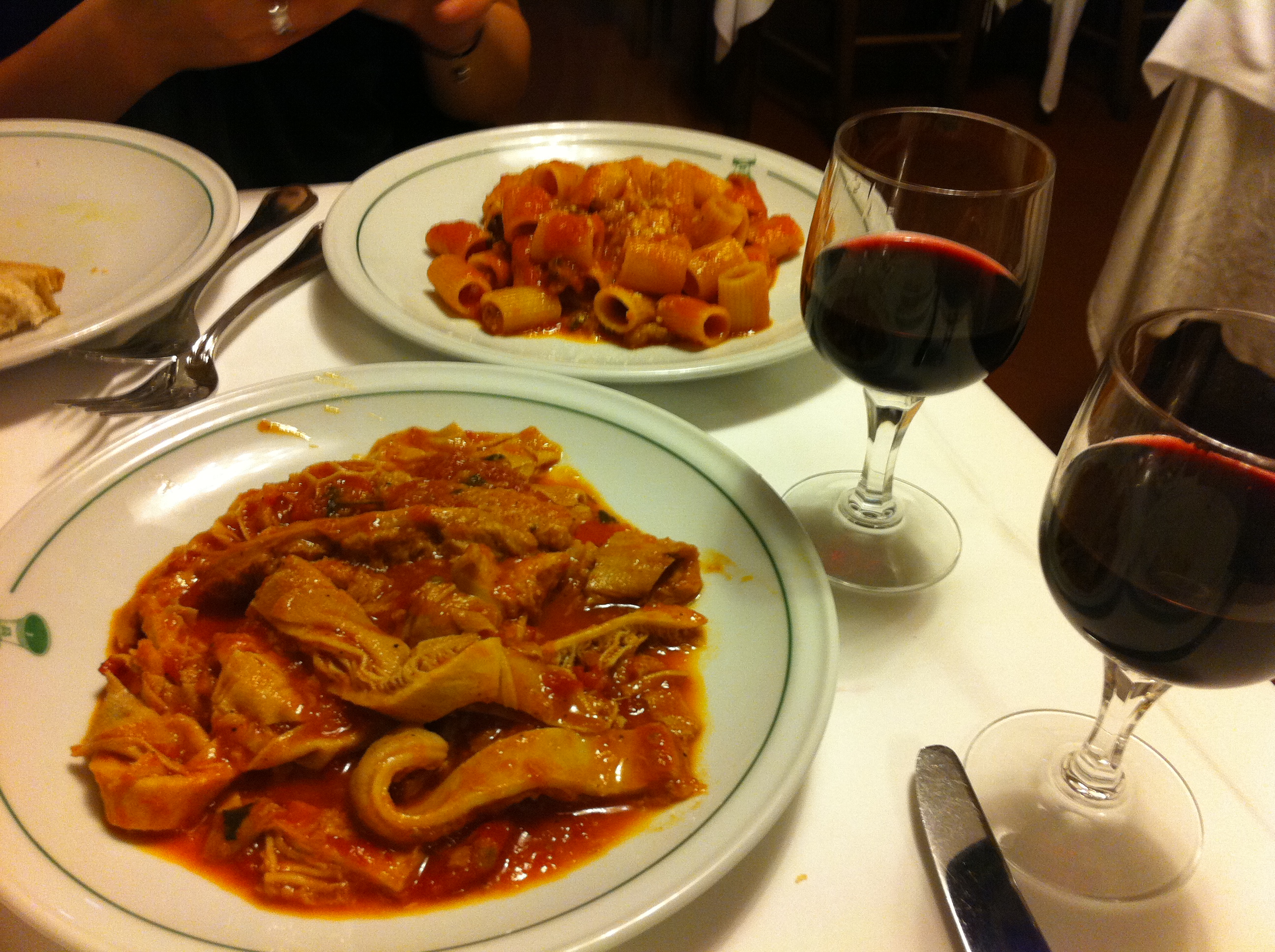
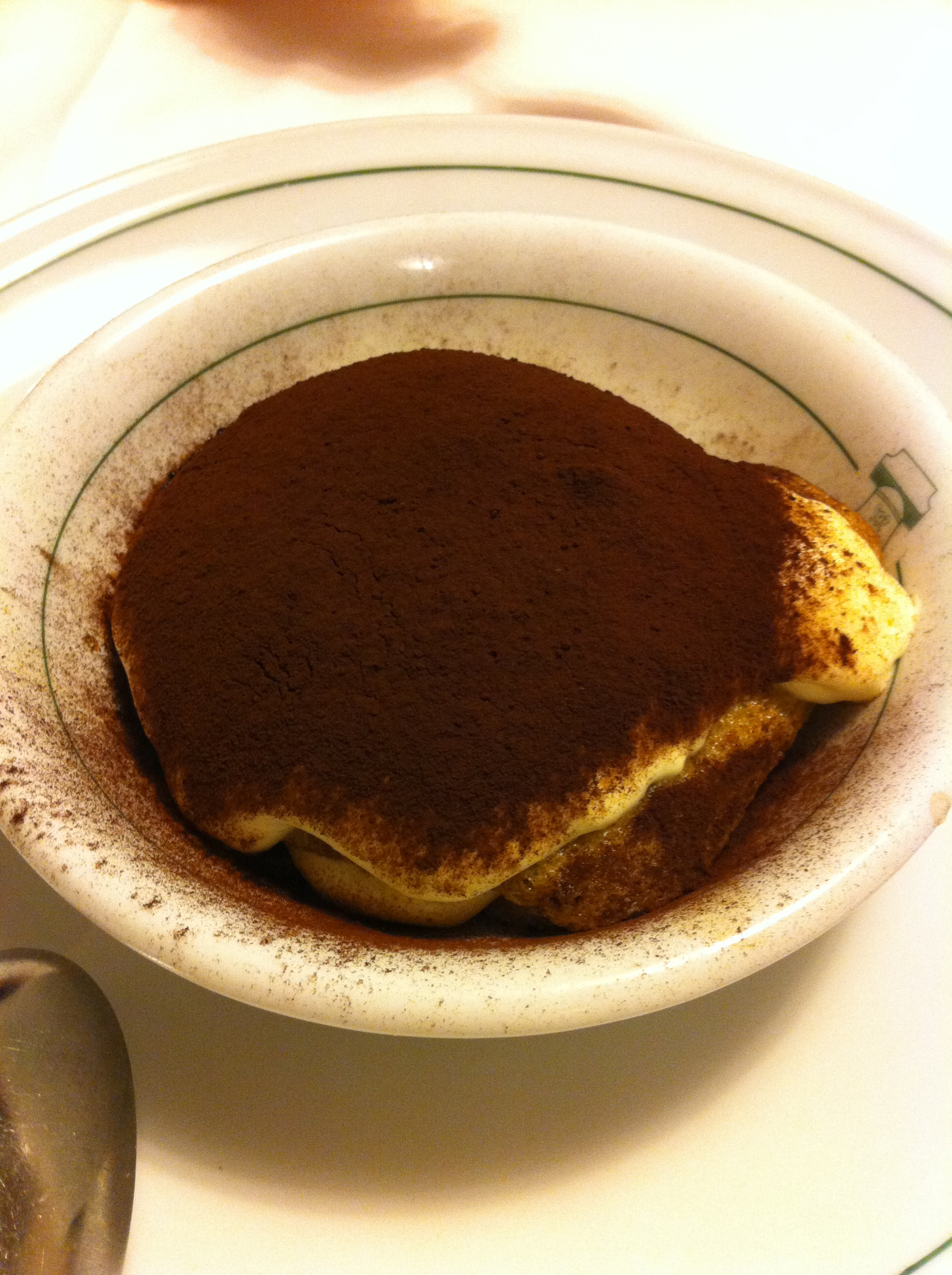
Hopefully you were able to get a table / reservation at La Campana (link here). I had one of the most memorable dining experiences at this place because of the food and service. The service was great and staffed with people who just love food. The best part, it was inexpensive (got tripe, pasta, tiramisu, and wine for two – 20€ per person). I was there back in 2011 so hopefully it is still the same!
After dinner, you can walk over to the Piazza di Spagna or Spanish steps, steps leading up to Trinità dei Monti church. Just be careful of the people trying to sell you things and roses. They either tell you it is free and then demand money or literally stab a rose in your hand (unfortunately, I learned this the hard way when I “given” a rose.
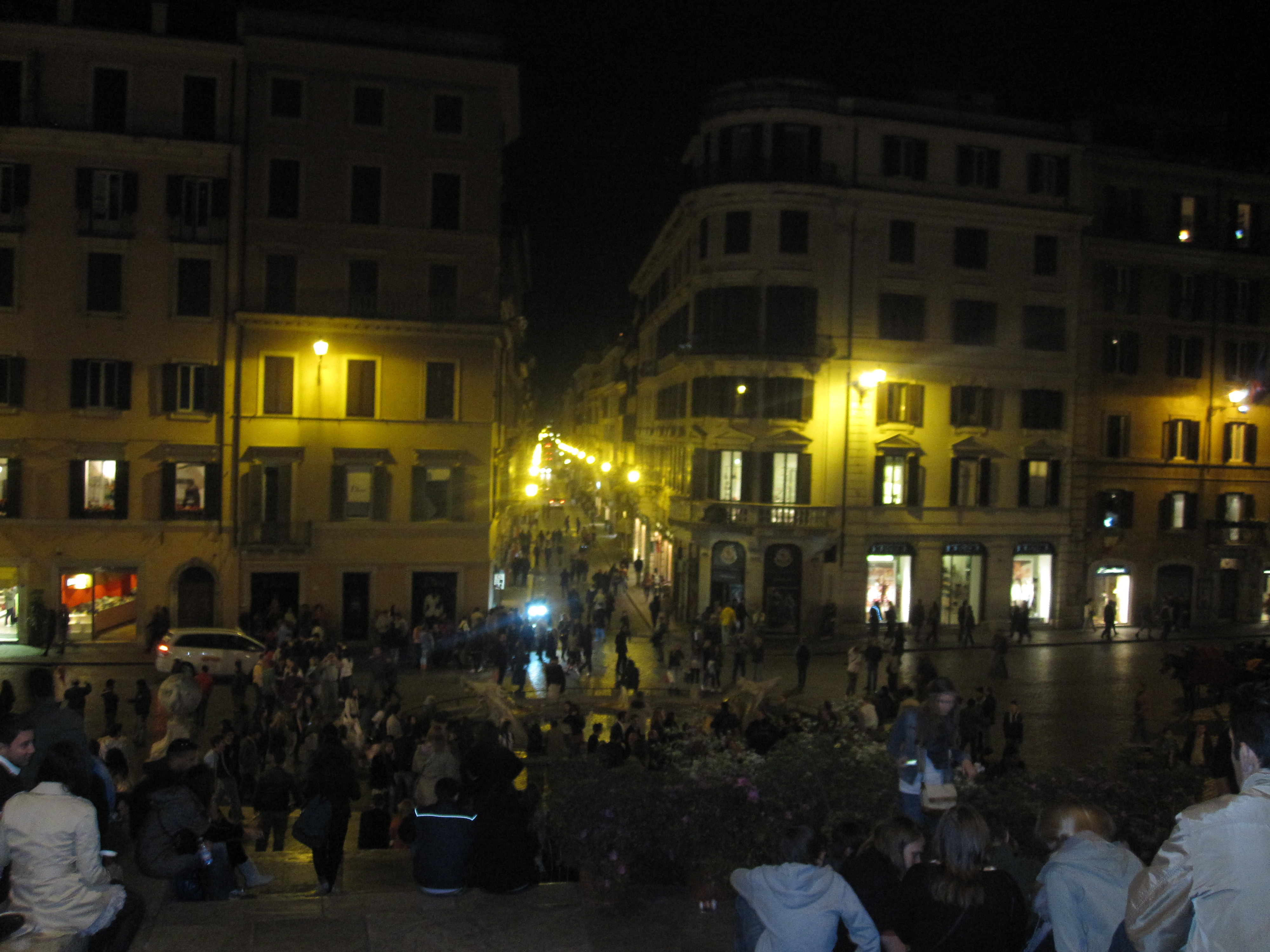
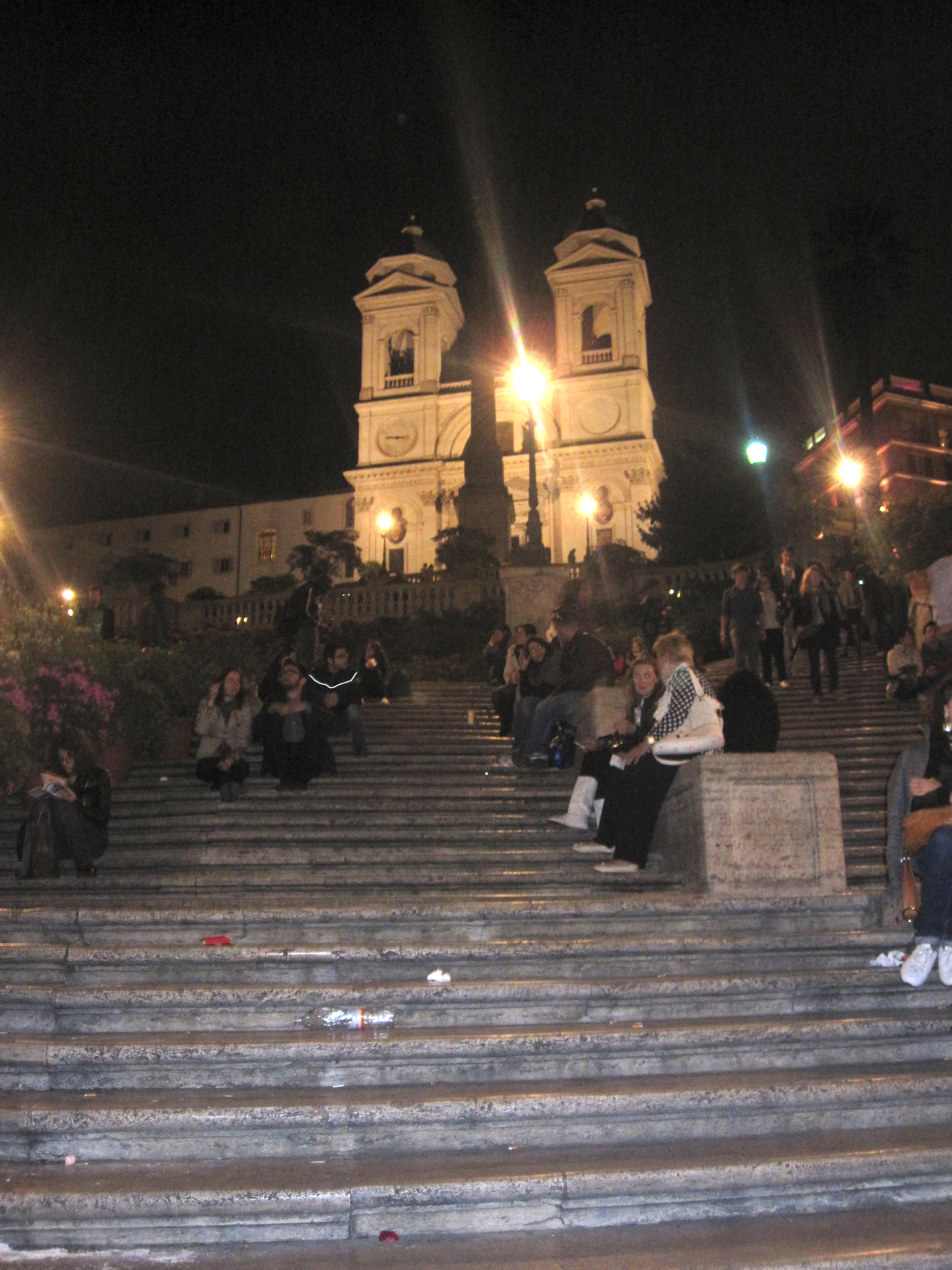
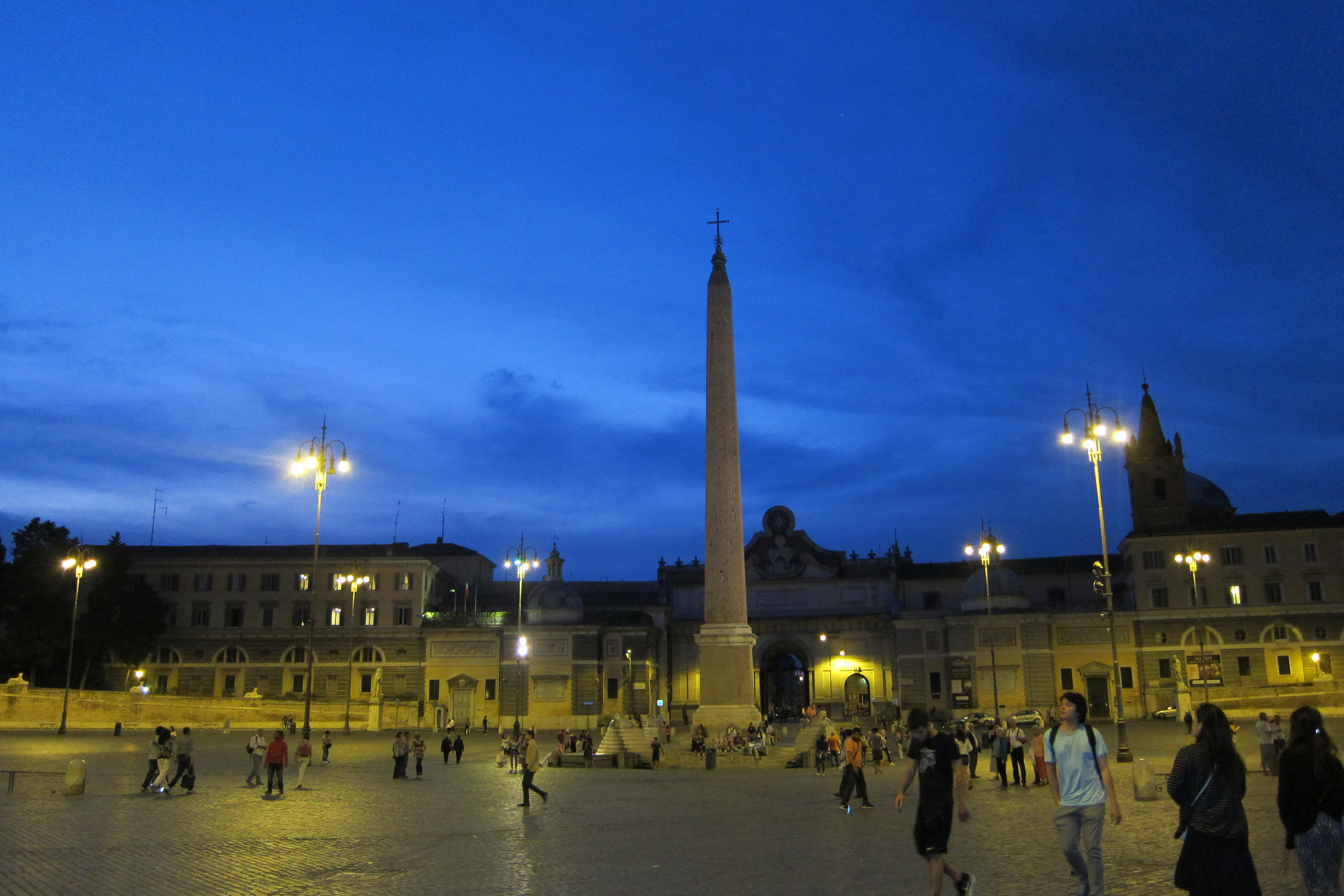
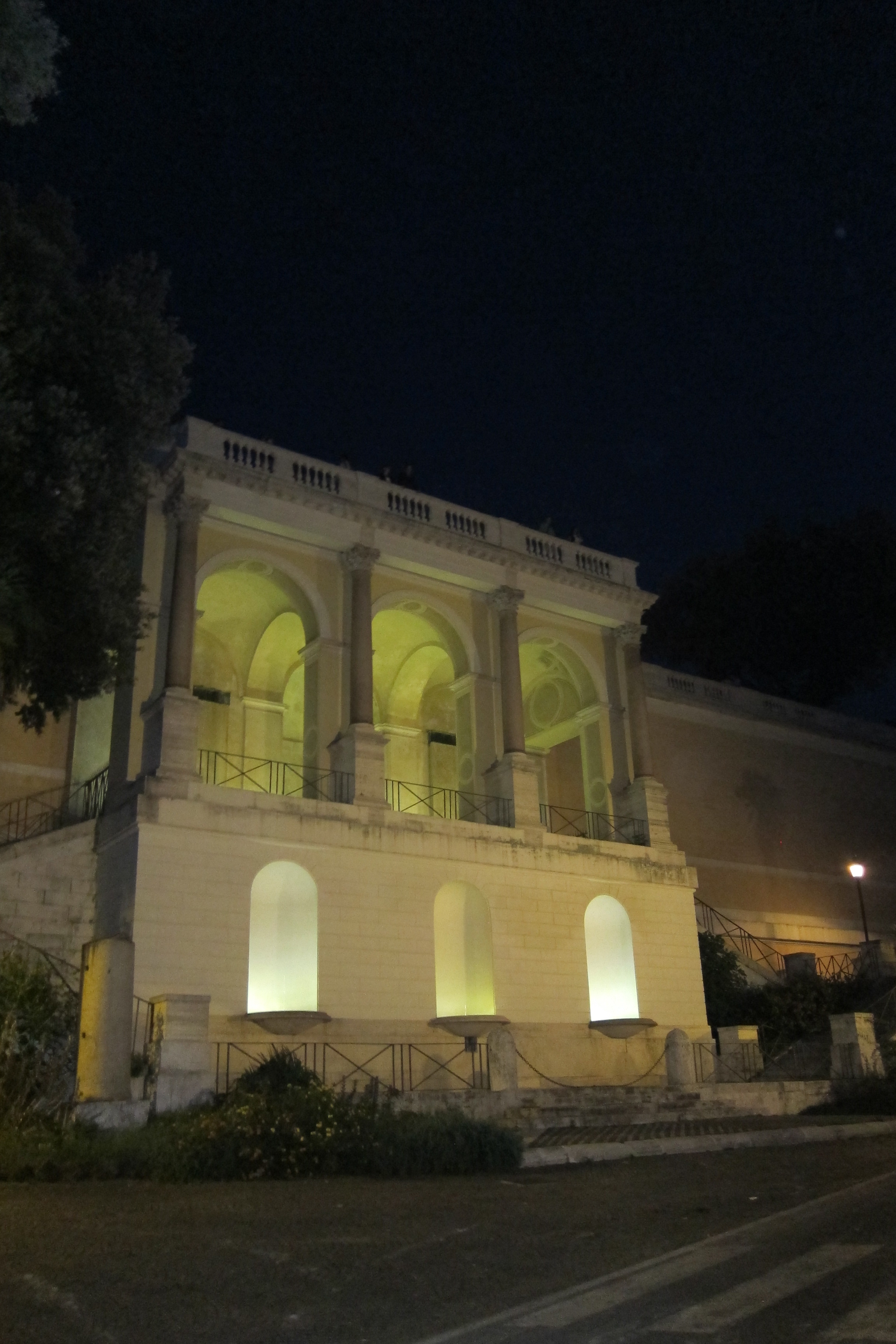
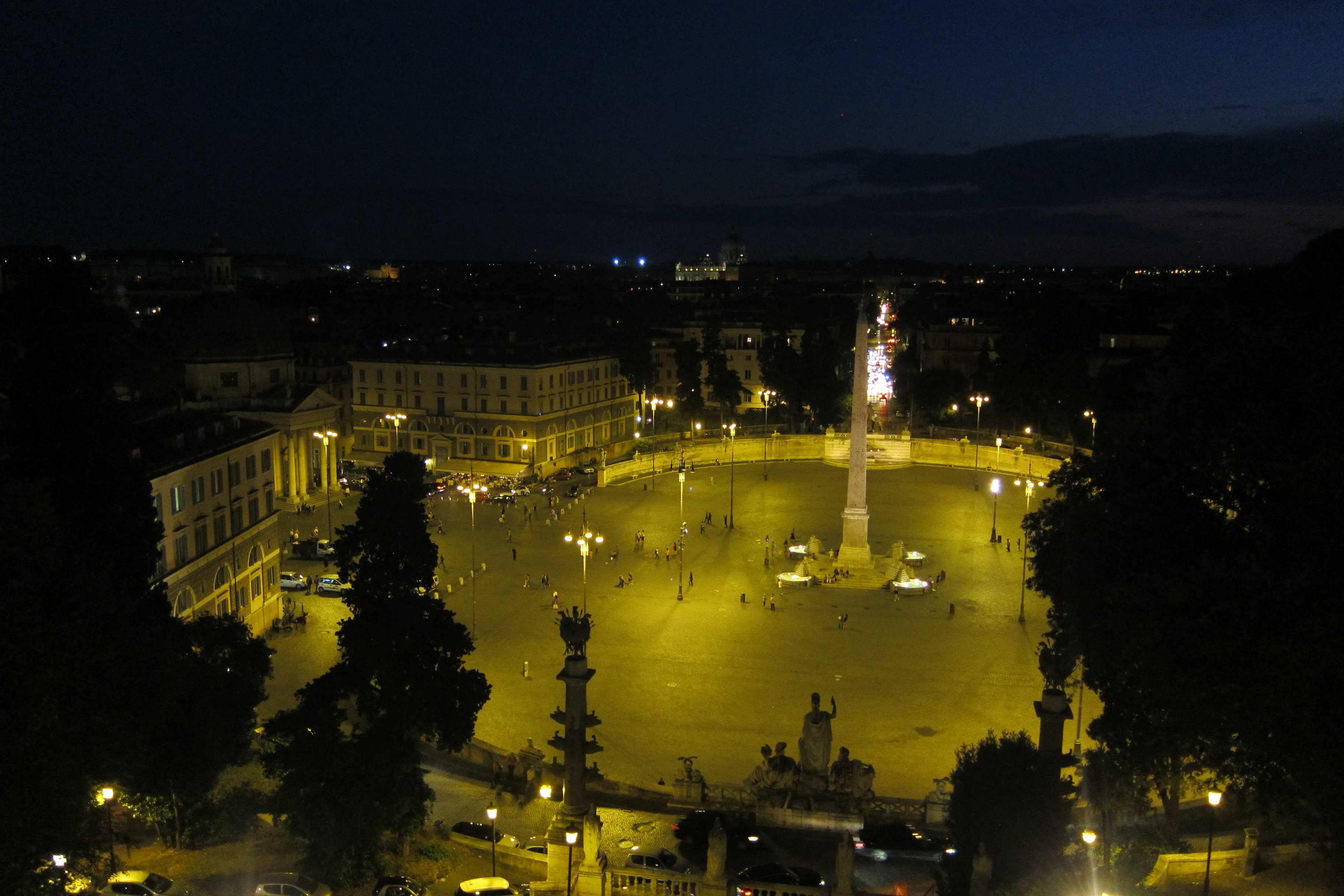
After exploring this area, you can head over to Piazza del Popolo, a gorgeous square where you can find several attractions like Fountain of Neptune, obelisk, the “twin” churches Santa Maria dei Miracoli and Santa Maria di Montesanto, and Pincian Hill or Pincio, which has a great resting area and viewpoint of the city.
Hope to be back soon to try this plan out!
 Across Oceans & Travels